Castor Oil
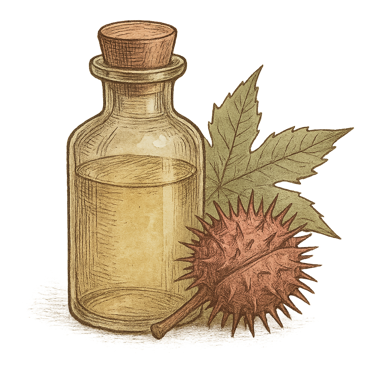
Castor oil is the thick, pale vegetable oil pressed from castor beans, and it has been used in kitchens and home remedies for centuries, though today most people reach for it well outside the frying pan.
What It Is
Pressed from the seeds of the castor plant, this oil is unusually thick and slow-moving, with almost no flavor of its own. That neutral profile and its resistance to going rancid made it a longtime staple in traditional households across South Asia, Africa, and the Americas, where it showed up in everything from lamp fuel to folk medicine cabinets.
This version is expeller pressed, meaning heat and pressure do the work instead of chemical solvents, and it carries no hexane residue as a result. The castor bean itself contains a toxic compound, but it does not survive the pressing process and is not present in the finished oil.
What To Do
Most people buying castor oil are not cooking with it, and that is completely fine. It is one of the few food-grade oils thick enough to work as a conditioner for wooden cutting boards and cast iron, and it can be mixed with beeswax to make a simple wood finish. Because it is food safe, it is also used to coat the inside of some baking molds or as a release agent.
If you do want to store it long-term, keep it in a cool, dark spot. It stays stable far longer than most cooking oils.